Destination
Seven UNESCO World Heritage Sites in One Valley
Kathmandu Valley is the cultural and spiritual heart of Nepal, home to seven UNESCO World Heritage Monument Zones that together represent one of the world's densest concentrations of sacred sites. The valley encompasses three historic cities—Kathmandu, Patan (Lalitpur), and Bhaktapur—each with its own distinct character and artistic heritage.
Founded by the Licchavi dynasty between 400 and 750 AD, the valley has been a crossroads of Asian civilizations for centuries. The Newari people, the valley's indigenous inhabitants, developed a unique architectural and artistic tradition that blends Hindu and Buddhist elements in ways found nowhere else on earth.
Despite the devastating 2015 earthquake, the valley's heritage sites have undergone remarkable restoration, and the living traditions of temple rituals, festivals, and craftsmanship continue unbroken. Walking through the ancient durbar squares feels like stepping back through centuries of history.
UNESCO Heritage
Inscribed collectively in 1979, these sites represent exceptional testimony to the traditional civilization of the Kathmandu Valley.
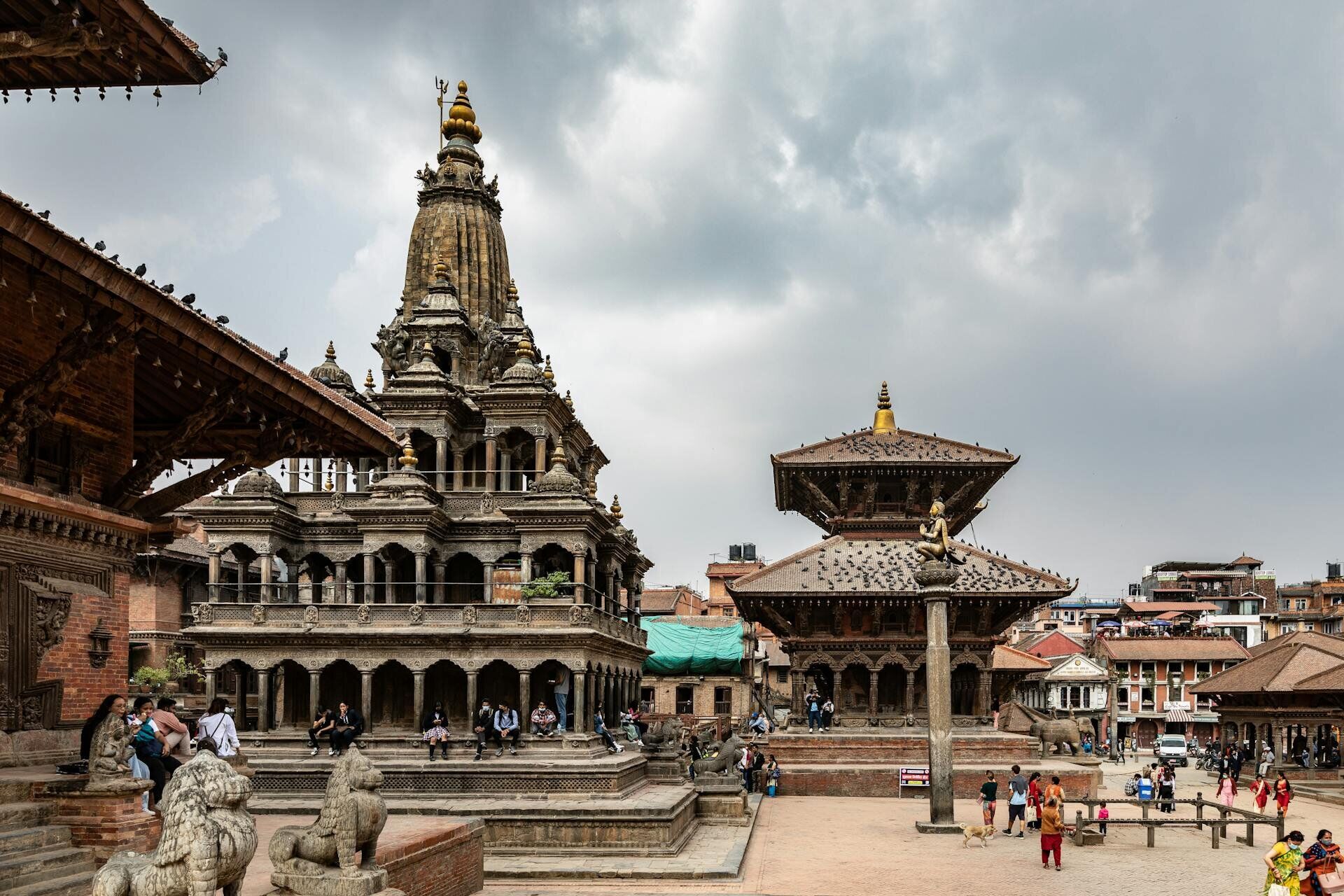
The ancient royal palace complex featuring the Hanuman Dhoka Palace, Kumari Ghar (home of the Living Goddess), and dozens of temples including the towering Taleju Temple.
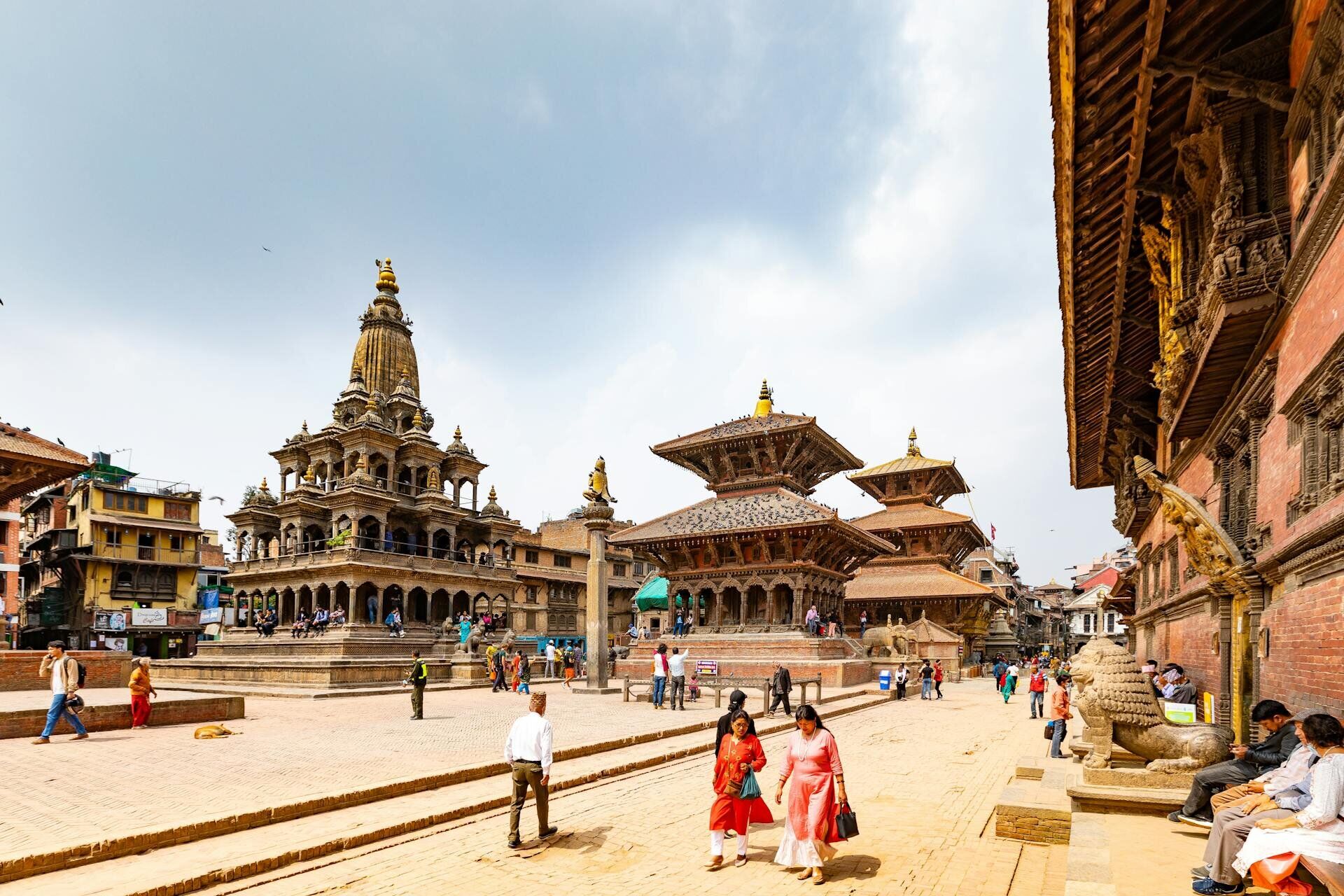
Considered the finest example of Newari architecture, featuring the 17th-century royal palace, Krishna Mandir, and the ancient Golden Temple (Hiranya Varna Mahavihar).
The best-preserved medieval city in Nepal, featuring the 55-Window Palace, Nyatapola Temple (Nepal's tallest pagoda), and traditional pottery squares.
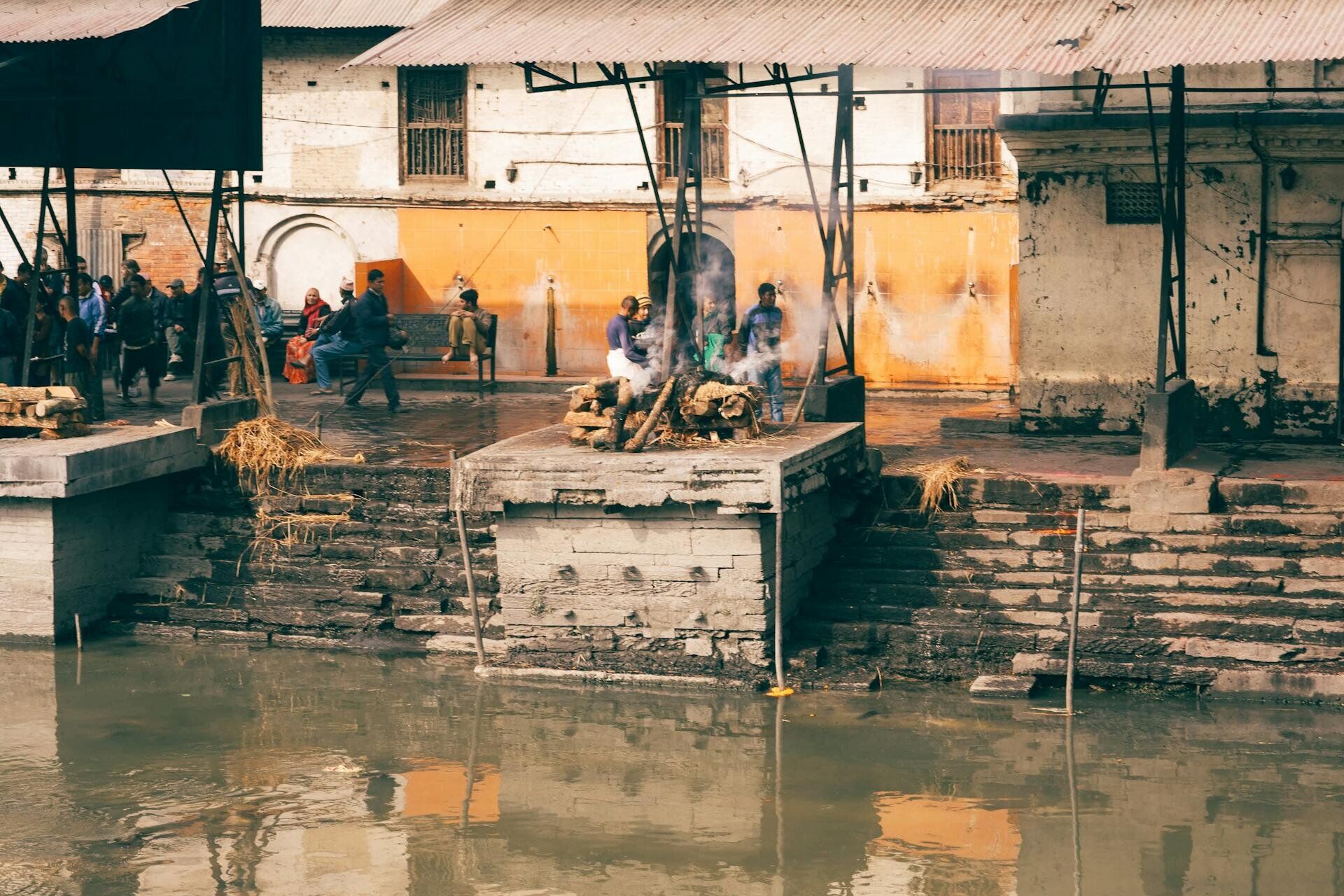
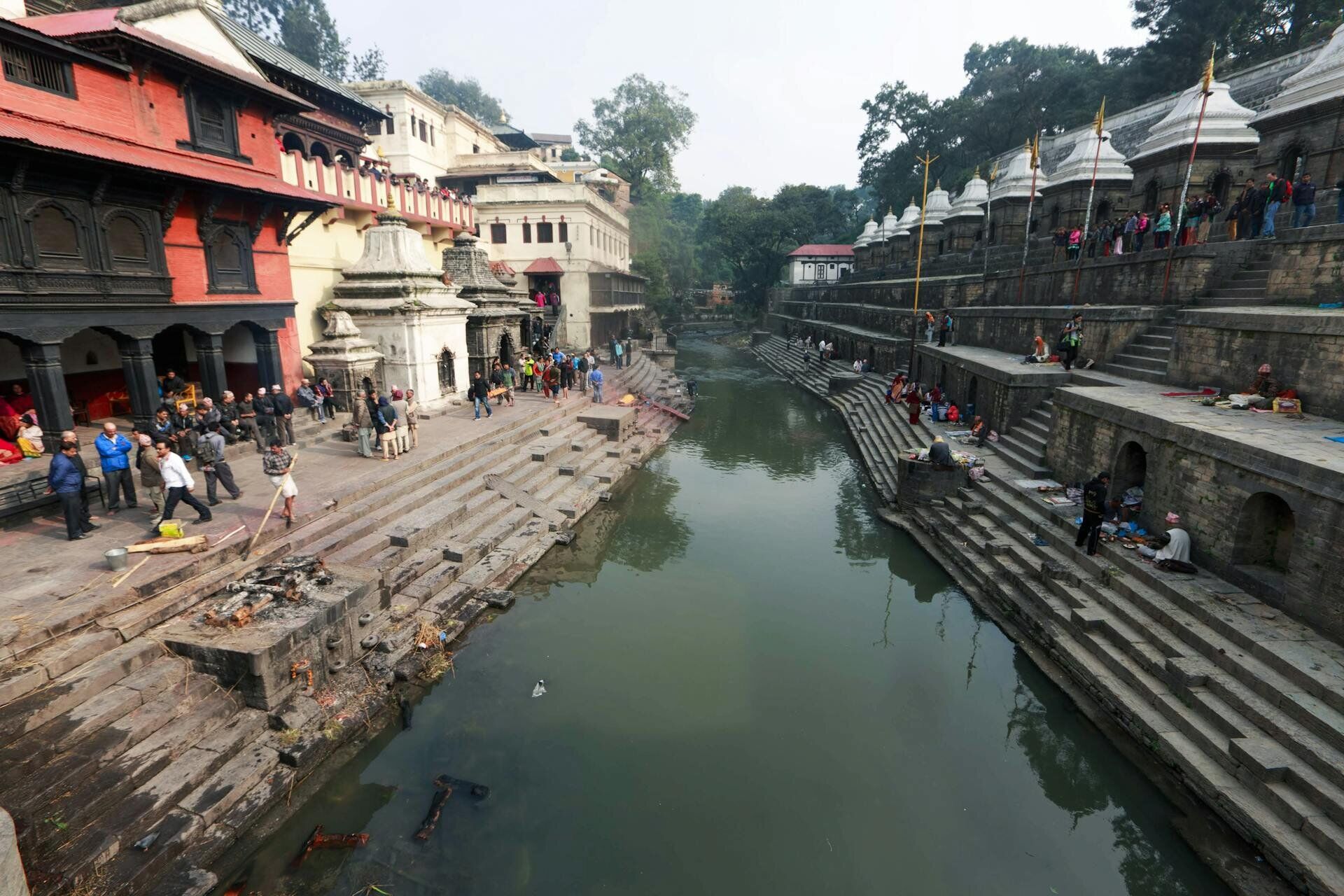
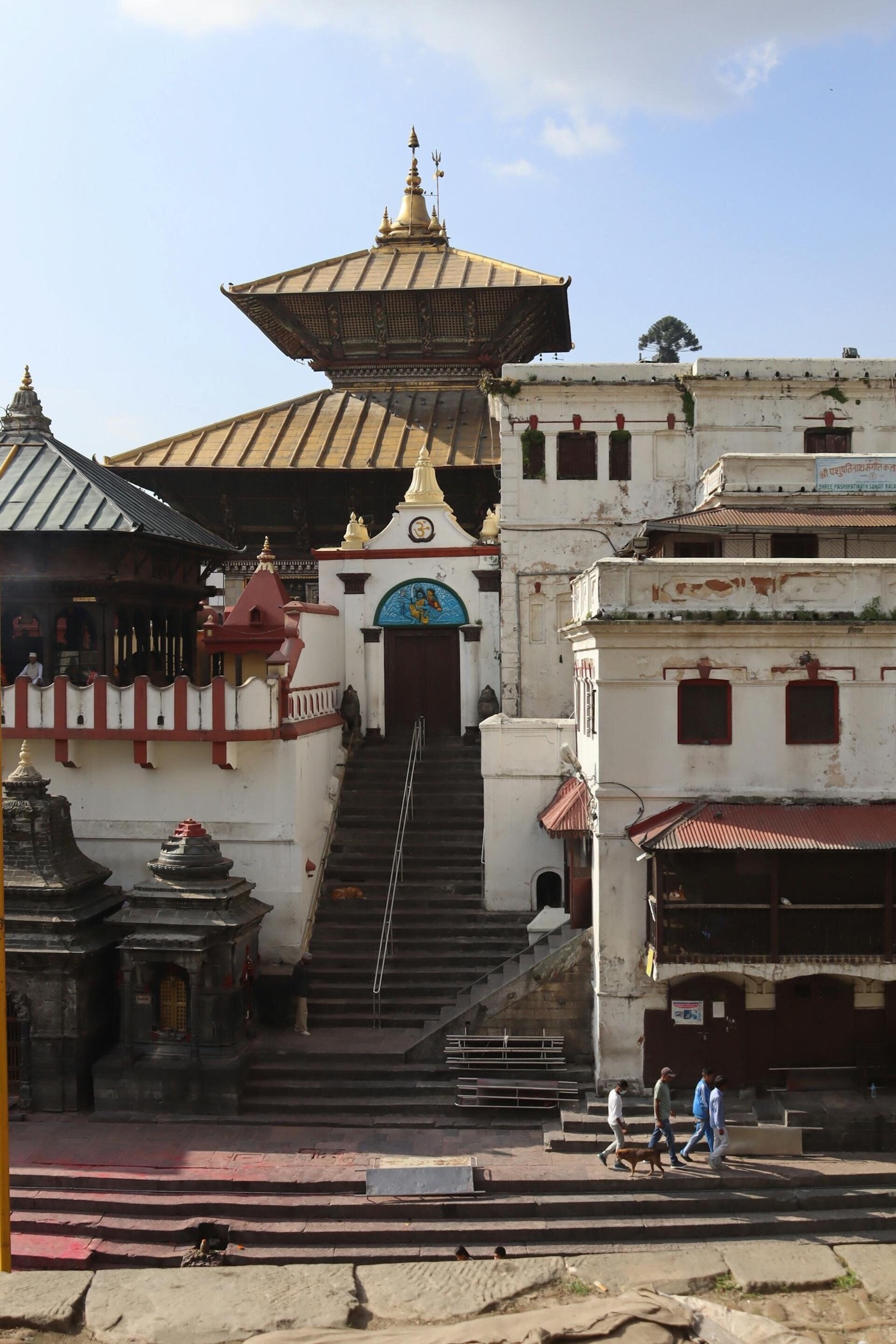
The holiest Hindu temple in Nepal, dedicated to Lord Shiva. The temple complex on the banks of the Bagmati River includes cremation ghats and is sacred to Hindus worldwide.
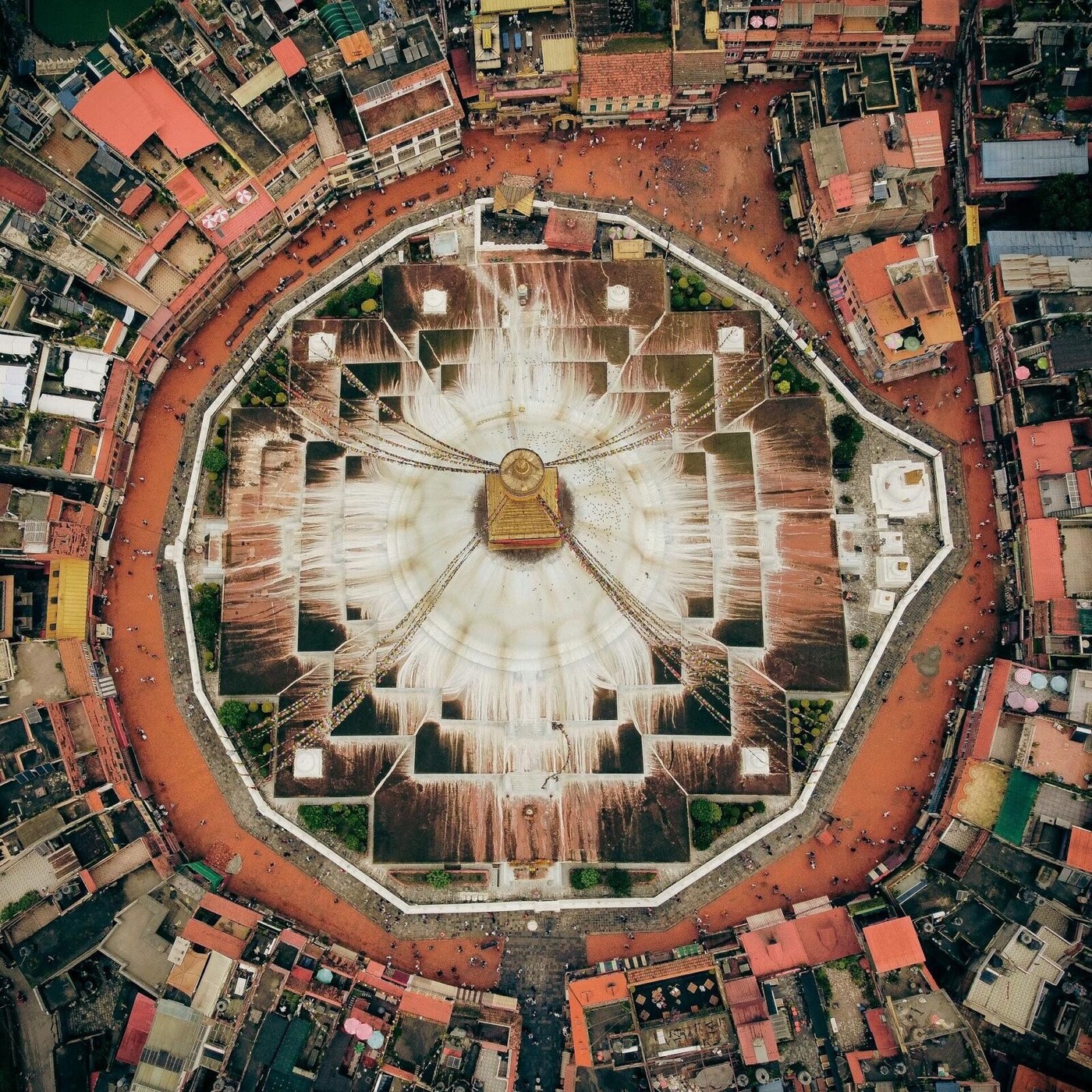
One of the largest Buddhist stupas in the world, with a 36-meter mandala-shaped dome. The all-seeing eyes of Buddha gaze from all four sides. A major pilgrimage site for Tibetan Buddhists.
Perched atop a hill west of Kathmandu, this ancient stupa (over 2,500 years old) is reached by climbing 365 steps. Sacred to both Buddhists and Hindus, with panoramic valley views.
The oldest Hindu temple in the valley, dating to the 4th century. Dedicated to Lord Vishnu, it features exceptional stone carvings and Licchavi-era inscriptions.
Discover More
The valley holds countless other temples, monasteries, and cultural treasures waiting to be explored.
Witness Hindu cremation rituals along the sacred Bagmati River, a profound window into Nepal's spiritual traditions and beliefs about death and rebirth.
Housed in the former royal palace, this award-winning museum showcases the finest collection of traditional Nepali bronzes, woodcarvings, and religious art.
Kathmandu's vibrant tourist hub offering trekking gear shops, restaurants serving global cuisine, live music venues, and traditional craft stores.
Experience
Immerse yourself in the valley's living culture through these authentic experiences.
Guided walks through the durbar squares and backstreets, discovering hidden temples, traditional courtyards, and artisan workshops.
Attend morning pujas at Pashupatinath or evening aarti ceremonies. Witness the daily rituals that have continued for centuries.
Learn to prepare traditional Newari dishes like choila, yomari, and chatamari in family homes or cooking schools.
Take workshops in traditional Buddhist scroll painting, learning the centuries-old techniques from master artists.
One-hour scenic flights from Kathmandu offering views of Everest and the Himalayan range without trekking.
Experience Dashain, Tihar, Indra Jatra, or dozens of other festivals celebrated throughout the year with processions, dances, and rituals.
Plan Your Visit
Tribhuvan International Airport is Nepal's only international gateway. The valley is accessible by road from India and Tibet.
October-November and March-April offer ideal weather. Monsoon (June-September) brings rain but fewer tourists. Winters are mild.
Durbar Squares: NPR 1,000 for foreigners. Boudhanath: NPR 400. Pashupatinath: NPR 1,000. Swayambhunath: NPR 200.
4-5 days minimum to see major sites. Add 2-3 days for Bhaktapur and day trips. Festival periods deserve extra time.
Gallery
Ready to Explore?
Let VIP2NEPAL guide you through the valley's ancient temples, sacred sites, and vibrant culture.